

A Different Kind of Beginning
Learn how to cope with a baby in the NICU, support a NICU parent, and how postpartum doula support can help families before and after coming home.
September is NICU Awareness Month, a time to recognize the strength of babies who begin life in the neonatal intensive care unit—and the families who are learning to navigate an experience they may never have imagined.
For some parents, the first days and weeks with their baby look very different from what they pictured. Instead of settling into life at home, they may be spending hours beside an incubator, learning medical terminology, pumping milk around the clock, or leaving the hospital without their baby in their arms.
There can be joy, gratitude, fear, exhaustion, hope, sadness—and sometimes all of those feelings in the same hour.
If this is your story, you may be mourning the quiet, ordinary beginning you imagined while worrying about the health and safety of the baby you love more than anything. That is a tremendous amount for any new parent to carry and my heart is with you.
If Your Baby Is in the NICU
A NICU stay can make it difficult to know what you're supposed to be doing as a parent. There may be monitors, procedures, feeding challenges, medical decisions and a whole team of professionals caring for your baby. It can sometimes feel like you're visiting rather than parenting. But you are still your baby's parent.
Talk to your baby's care team about ways you can participate in their care when it is medically appropriate. Depending on your baby's needs, that might include skin-to-skin contact, diaper changes, feeding, talking or singing to your baby, or simply being present.
And remember that taking care of yourself is part of taking care of your baby. Eat something when you can. Drink water. Step outside for a few minutes. Sleep when you're able. Accept help. Take a shower. Cry when you need to. If being at your baby's bedside is where you need to be, be there. If you need to step away for a shower, a meal, some sleep, or a few quiet moments, give yourself permission to do that, too.
Allow yourself to have complicated feelings. You can be incredibly grateful for the medical care your baby is receiving and still be heartbroken that this is how your beginning looks. You can adore your baby and still feel overwhelmed. You can be relieved when your baby has a good day and terrified when something changes.
There is no right or wrong way to feel your way through a NICU experience. Whatever you're carrying right now, you deserve space and support for it.
Supporting a Friend With a Baby in the NICU
When someone you love has a baby in the NICU, it can be hard to know what to say—or how to help. You don't need to have the perfect words. You can't fix this situation for them. But you can show up.
When someone is overwhelmed, exhausted, and focused on their baby's health, it can be difficult to know what to ask for—or even to recognize what would help. Instead of putting the responsibility on them to come up with a need, offer something specific.
"I'm going to the grocery store. I will grab you some milk, bread, and sandwich stuff. What else can I pick up for you?"
"I'm dropping dinner at your door tonight. Would you rather soup or lasagna?"
"I would love take care of your laundry this weekend. Is Saturday morning an okay time for me to be at your house for a couple of hours?"
"Would you like company, or would you rather have some quiet time?"
"No need to respond—I just want you to know I'm thinking about you."
A NICU parent is still postpartum. They may be recovering from birth, dealing with hormonal changes, pumping milk, sleeping very little, and carrying an enormous amount of emotional stress—all while spending hours at the hospital. Plus, a NICU stay can last days, weeks, or longer. The first few days often bring an outpouring of support, but the experience can become lonelier as time goes on. Your support will mean the world to that family, as will allowing them to inform how you care for them.
How a Postpartum Doula Can Help
A postpartum doula doesn't replace the medical care provided by your baby's NICU team. We don't diagnose, treat, or make medical decisions. What we can do is support the family around that medical care.
Practical support at home
When parents are spending hours at the hospital, life at home doesn't stop. Meals still need to be made. Laundry still needs to be done. Pets need care. There may be older children who need attention. A postpartum doula can help with appropriate household and family support so parents have more time and energy for themselves and their baby.
Emotional support
There is a lot to process during a NICU stay. A postpartum doula can offer a calm, nonjudgmental space to talk, cry, celebrate a milestone, or simply acknowledge, "This is really hard." Sometimes you don't need another person telling you that everything will be okay. Sometimes you just need someone who can sit beside you in the uncertainty.
Support for the postpartum parent
Your baby may be in the NICU, but you are still postpartum. Your body still needs time to recover from pregnancy and birth. You still need food, hydration, rest, emotional support, and care. A postpartum doula can help keep the parent's needs from disappearing completely into the needs of the NICU.
Preparing for home
Bringing your baby home after a NICU stay can be incredibly exciting—and surprisingly stressful. After spending weeks surrounded by medical professionals and equipment, suddenly being home can feel very different. A postpartum doula can provide non-medical support as your family settles into life at home, helping with practical newborn care, household support, routines, and the transition into this next chapter.
Supporting the whole family
A NICU stay affects more than the baby. Partners may be coping differently. Older siblings may not understand why their parents are spending so much time at the hospital. Grandparents and other family members may be trying to help while managing their own worry. Postpartum support can help the whole family find its footing.
Every NICU journey is different.
Some babies go home quickly. Others need weeks or months of specialized care. Some parents feel confident navigating the hospital environment. Others feel completely overwhelmed. Some families have extensive support networks, while others are doing this largely on their own. There is no single right way to feel about it. What matters is that families don't have to navigate it alone.
If you or someone you love is currently experiencing a NICU stay, I hope you know this:
You are still a new parent. You still deserve support. Your recovery still matters. And needing help doesn't mean you're not strong enough to do this. Sometimes the beginning doesn't look anything like we imagined. That doesn't mean it can't still become a beautiful one.
Sending all of my love to my precious NICU families.

Black & White & Baby All Over
Learn why babies are drawn to black-and-white books and high-contrast toys, plus simple ways to use them for visual exploration, play, and connection.
Is your baby more fascinated by a ceiling fan than the expensive toy you carefully selected? No worries - your little love is right on track! Babies are fascinated by all sorts of patterns and movement as their vision develops.
Newborns can see from birth, but their vision is still a work in progress. They see best at close range, and their ability to distinguish fine details and colors develops gradually during the first months of life. Bold patterns with strong contrast (like black and white stripes, circles, checks, and, yes, the ceiling fan) can stand out more clearly to a young baby's developing visual system.
High-contrast books and toys can give babies something interesting to look at, but the real magic happens when you get involved, too. Hold a black-and-white book while your baby looks at the pictures. Talk about what you see. Make up a completely unnecessary story about the random black circle. "Look at that! What do you think that is? A circle? A moon? The cookie you just watched me eat and not share with you?" Your baby doesn't care if your narration makes any sense. They're listening to your voice, watching your face, and experiencing the back-and-forth interaction that helps build the foundation for communication.
You may notice your baby staring intently at a pattern, turning toward an interesting image, following a picture with their eyes, or looking away when they've had enough. That last one is worth remembering. Babies are excellent at letting us know when they've reached their limit. If your little one looks away, gets fussy, or seems overwhelmed, it's time to take a break.
The fun part of high-contrast items is that you can introduce them right from the beginning. You don't need to wait for your baby to reach a particular milestone. During those early awake periods, you can offer a simple book, card, play mat, or toy and let your baby explore it at their own pace. Try holding a book or card about 8–12 inches from your baby's face—roughly the distance between you and your baby during a feeding or cuddle. And if they aren't interested? That's okay, too. Some days your baby will be fascinated by a black-and-white zebra. Other days, the ceiling fan will be the most exciting thing that has ever happened. Follow their lead.
There is no perfect toy, perfect book, or perfect way to play. A few simple, age-appropriate toys, a safe place to explore, and an engaged caregiver are more than enough to give your baby opportunities to learn and grow.
A Note on Baby Safety:
As you choose books and toys for your baby, look for items that are age-appropriate, sturdy, and free from small parts that could become choking hazards. Follow manufacturer recommendations and regularly check toys for loose pieces, damage, or wear. And remember: toys, books, pillows, and other objects should stay out of your baby's sleep space. Keep the crib or bassinet clear for sleep.
A Few of My Favorites:
There are a lot of baby products out there, and you certainly don't need all of them. But if you're looking for a few simple, high-contrast books and toys, I've included some products below that I like and would feel comfortable recommending to families. As always, if you have any questions, feel free to reach out to me directly!
(Some of these are associate links, which means I may receive a small commission if you purchase through a link, at no additional cost to you. As always, I only recommend products that I think are useful and appropriate for my families.)
Play Mat: https://amzn.to/4cD9mN8
Books: https://amzn.to/3Sbf9Tk
Toys: https://amzn.to/3RRTmA2
Toy Bar for Bouncer: https://amzn.to/3TRiMOQ
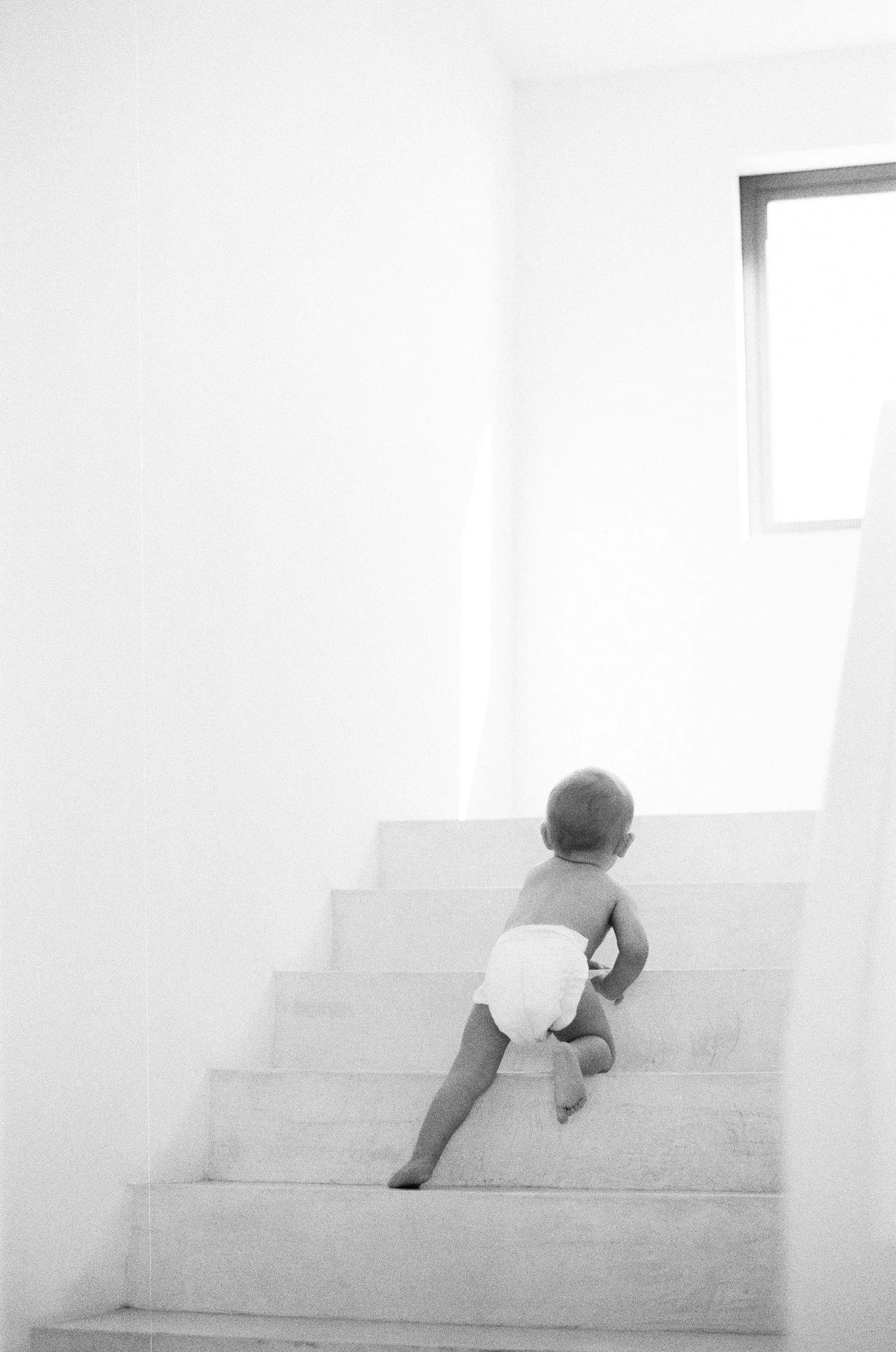
When Should I Start Babyproofing My House?
One of the most common questions that I get asked is: “When should I start babyproofing?”
Many families assume babyproofing begins once a baby starts crawling. In reality, the best time to start thinking about safety at home is before your baby becomes mobile. Babies develop new skills quickly—rolling turns into scooting, scooting turns into crawling, and suddenly they’re pulling up on everything in sight. Preparing your home ahead of these milestones can make this stage feel much calmer for everyone.
Here’s a simple way to think about the babyproofing timeline—and when families often decide to bring in a professional for support.
Newborn Stage (0–3 Months): Observe and Plan
Although your baby isn’t exploring yet, this can be a great time to start noticing potential hazards around your home and also to consider how the use of your space has changed with your new addition.
Many families begin by:
Checking smoke and carbon monoxide detectors
Storing medications and cleaning products safely
Looking for blind cords or dangling window coverings
Noticing furniture that may need anchoring later
This stage is less about installing lots of products and more about becoming aware of your home environment. Some families also choose to schedule a babyproofing consultation during this time so they can create a plan before mobility begins.
Early Movement (3–6 Months): Address Big Hazards
Around this age, babies begin rolling and reaching more intentionally.
Now is a good time to start addressing some of the most significant safety risks, such as:
Anchoring dressers and bookshelves
Securing televisions
Covering electrical outlets
Identifying cabinets that may need locks
While many of these tasks seem straightforward, installation matters. Furniture anchors, for example, need to be installed correctly to be effective. One reason some families choose professional babyproofing is to ensure that safety products are installed properly and suited to the home.
Crawling Stage (6–9 Months): Homes Get Busy
Once babies begin crawling, they are suddenly able to reach and explore far more of the house.
Common additions at this stage include:
Cabinet and drawer locks
Baby gates for stairs
Corner guards on sharp furniture
Securing rooms that contain hazards
This is also the stage where parents often realize how easy it is to miss things. A professional babyproofing visit can help identify hazards that aren’t always obvious—things like furniture tip risks, accessible cords, unstable décor, or small items within reach.
Pulling Up and Cruising (9–12 Months): New Heights, New Risks
Babies who are pulling to stand suddenly have access to surfaces that once seemed out of reach.
Parents often start evaluating:
Tablecloths or decorations that can be pulled down
Heavy lamps or objects on side tables
Items stored on lower shelves
At this stage, many families appreciate having a second set of experienced eyes walk through their home and identify risks specific to their layout.
DIY Babyproofing vs. Professional Babyproofing
Many families handle some babyproofing steps themselves—and that’s wonderful. Professional babyproofing isn’t about replacing what parents can do. It’s about adding expertise, experience, and efficiency.
Families often choose professional support because it can:
Identify hazards that are easy to overlook
Recommend quality, reliable products that work well for your home
Ensure safety devices are installed correctly
Save parents hours of research and trial-and-error
For busy new parents, having someone walk through the home and create a clear plan can bring a lot of peace of mind.
A Reassuring Note for Parents
If your baby is already crawling and you’re just starting to think about babyproofing, you’re not alone. Most families tackle babyproofing step by step as their baby grows and becomes more mobile. What matters most is creating a home where your child can safely explore and where you feel confident about the environment around them.
Babyproofing Support in Charleston
For families in the Charleston area, professional babyproofing consultations provide a personalized look at your home and practical solutions tailored to your space and your child’s stage of development.
Sometimes a few thoughtful changes—and a little expert guidance—can make a big difference.

Preparing Your Charleston Home for Baby: Safety Tips for Coastal Living
Welcoming a new baby brings so many exciting preparations—setting up the nursery, washing tiny clothes, and imagining what life will look like once your little one arrives. In addition to all of the fun stuff, there is also a lengthy To Do List - include making sure that your home is safe and ready for your tiny explorer.
In the Charleston area, our coastal lifestyle adds a few unique factors to consider. From historic homes and breezy porches to backyard pools and humid weather, the environment we love can come with some safety considerations for growing families. Taking a little time to think through these details can help create a home where both parents and babies can settle in comfortably and confidently.
Balconies, Porches, and Railings
Charleston homes are famous for their piazzas, porches, and balconies. These outdoor spaces are wonderful for catching a breeze or rocking a baby to sleep, but they can also pose risks once little ones become mobile.
Many older or historic homes in the Charleston area were built before modern spacing standards, so porch or balcony railings may be wider than the recommended 4 inches apart. If that is the case, there are a number of options to keep your baby safe and maintain the aesthetic of your home.
Furniture placed near railings can become an easy climbing aid for a curious toddler, so it’s best to keep chairs, planters, and tables away from edges.
If your porch or balcony has stairs, consider installing a safety gate before your baby starts crawling.
Pools, Water Features, and Marsh Views
Many homes in the Charleston area have pools, backyard ponds, or direct access to marshes and waterways. While these features are beautiful, water safety becomes extremely important once children are part of the household. The most important water safety measure is careful supervision, but there are other measures you can put into place.
If you have a pool, ensure it is protected with a secure fence and self-latching gate. Doors leading to the pool area should have alarms or locks placed high enough to be out of a child’s reach.
Even small water features—decorative ponds, fountains, or buckets left outside—should be monitored closely and emptied when not in use.
Humidity and Mold
Charleston’s coastal climate means humidity is a constant companion. Excess moisture can create conditions where mold and mildew thrive, which can impact indoor air quality.
Regularly check areas like bathrooms, under sinks, around windows, and in closets for signs of moisture or mold. Using dehumidifiers and ensuring proper ventilation can help maintain a healthier environment for both parents and babies.
Outdoor Living Spaces
Charleston families spend a lot of time outdoors, and babies are no exception. Patios, decks, and outdoor kitchens can contain items that aren’t always top-of-mind as safety concerns.
Grills, fire pits, citronella candles, gardening tools, and outdoor cleaning supplies should be kept well out of reach or stored in locked areas. Outdoor cushions and storage benches can also present finger-pinching hazards for curious little hands.
Give Yourself Time
Babies change quickly, and the stage between lying peacefully on a blanket and suddenly scooting across the room arrives faster than most parents expect. Starting early and hiring a professional familiar with the the particulars of Charleston can help ensure your home is ready before your baby becomes mobile.

Medication, Motherhood & Mental Health
If you’re navigating new parenthood here in Charleston, you already know something important: This community shows up. Neighbors bring meals. Friends text at 2am. Moms pass each other in Target with that knowing, exhausted smile. But there are some topics that can be more challenging to discuss openly, including medications. Whether it’s knowing what is safe when breastfeeding or trying to navigate postpartum mental health treatment, the information can be overwhelming - especially for an exhausted new parent.
First: I Am Not a Medical Provider
Before we go further — an important note. I am a postpartum doula and babyproofing professional. I am not a physician, nurse practitioner, or prescribing provider. The information here is educational and meant to support informed conversations — not replace medical advice.
Always consult your OB-GYN, midwife, primary care provider, pediatrician, or a qualified mental health professional regarding medication decisions. Your care should be individualized to you.
Breastfeeding & Medication
Many medications are compatible with breastfeeding. However, conflicting opinions from social media, internet searches, and well-meaning friends and family can make it difficult to know what is safe. Evidence-based resources are available and a good place to start. In addition to your healthcare practitioner, other reliable tools include:
InfantRisk Center – Offers a hotline (1-806-352-2519) staffed by experts in medication safety during pregnancy and lactation.
MotherToBaby – Free fact sheets and counseling by phone, text, or chat.
LactMed – A peer-reviewed database through the National Institutes of Health.
If a provider suggests immediately stopping breastfeeding due to a medication, it’s reasonable to ask whether they’ve consulted one of these resources. Collaborative care is strong care.
Postpartum Mood Disorders Are Medical Conditions
Postpartum depression, anxiety, OCD, and trauma-related disorders are common and treatable. Hormonal shifts, sleep deprivation, and the intensity of early parenthood can create very real mental health challenges. Strong, resilient, loving parents still have to contend with biology.
Treatment can include therapy, community support, lifestyle changes — and sometimes medication.
Certain antidepressants and anti-anxiety medications have strong safety data for breastfeeding parents and are often considered first-line options. For many families, treatment improves both parental functioning and infant well-being.
A trusted national resource is:
Postpartum Support International – Call or text 1-800-944-4773 for provider referrals and support groups.
A Babyproofing Note
Medication safety also means storage safety. Nightstands, purses, kitchen counters, and diaper bags may seem like convenient storage locations, but they are not ideal for safety.
Best practice:
Store medications, vitamins, and supplements high and out of reach
Keep them in original child-resistant containers
Avoid referring to medicine as “candy”
If a child may have ingested something, contact Poison Control at 1-800-222-1222 immediately. It’s free and available 24/7.
The Bottom Line
Your physical health matters. Your mental health matters. Choosing treatment — whether that’s therapy, medication, or both — is not choosing yourself instead of your baby. It is a generous and loving choice that allows you to be present for your family and for yourself.
You deserve evidence-based information. You deserve providers who listen. And you deserve support without shame. If you’re preparing your home for a growing baby, navigating postpartum recovery, or building your support team here in Charleston, I’m here to walk alongside you.
Charleston Resource Spotlight
If you’re local to Charleston and looking for support, here are some starting points. This is not an exhaustive list — just a place to begin.
Perinatal Mental Health Support
Lactation Support
Board-certified lactation consultants (IBCLCs) can help you navigate feeding challenges while coordinating with medical providers if medication questions arise.

When Baby Meets the Family Pet
Bringing a baby home is a seismic shift. Your body is healing, your emotions are tender, and everything feels new. Your dog, cat, or other beloved pet is still adjusting to this big change, too.
For many families, pets aren’t just pets—they’re family - which can add another layer to consider when it comes to balancing love for animals, mental health, and child safety.
Postpartum and Pets
Even the most devoted animal lovers can feel differently after birth. This adjustment is totally normal.
You may find yourself feeling more protective, with a lower tolerance for noise and mess and increased anxiety around safety. You may feel emotional distance from your pet, guilt about not being able to maintain your pets routine, or sadness as you miss the time you and your pet spent together that is now devoted to your baby.
These feelings are perfectly normal! It means your nervous system is doing exactly what it’s designed to do: protect a vulnerable baby while you recover. But, don’t add the guilt of your pet’s adjustment to your mental load. You can love your pet and set new boundaries. Both can be true.
Babies and Pets: Keeping Everyone Safe, Together
Most injuries involving pets and young children don’t come from “bad” animals—they come from normal animal behavior mixed with unrealistic expectations.
Pets, while family, are still animals who: prefer familiarity in their environment, don’t always understand the fragility of babies, and can be startled by sudden movement, noise, or grabbing hands. By the same token, babies and toddlers move unpredictably, are constantly making unexpected noises, and can grab, pull, climb, and stare (which animals may perceive as threatening).
When we think about safety with our fur babies and human babies, we are simply considering how to realistically care for our entire family.
Helping Pets Adjust
For many pets, a new baby is confusing—not threatening, just unfamiliar. Thoughtful introductions and small adjustments can go a long way in helping pets feel secure during this transition.
Start before baby arrives (when possible)
Gradually introduce new sounds, smells, and routines ahead of time. Practice baby-related changes—like gates, closed doors, or new walking routes—so they don’t all arrive at once.
Make the first meeting calm and brief
Choose a quiet moment, not a big “event.” Keep pets leashed or at a comfortable distance. Let pets observe without pressure to interact.
Let pets approach at their own pace
Sniffing, looking, or even choosing to leave the room are all appropriate responses. Avoid forcing closeness or photo-op moments.
Pair baby presence with good things
Treats, praise, or a favorite activity during calm baby moments help build positive associations. The goal is not excitement—it’s neutrality and comfort.
Protect rest and routine
Pets still need walks, enrichment, and downtime. Predictability helps reduce stress during a season of change.
Watch body language, not just behavior
Subtle signs of stress often show up before big reactions. If a pet seems overwhelmed, create space early.
Give yourself permission to manage
Gates, crates, separate rooms, and structured routines are tools and your family will find its way. The goal isn’t to make pets “love” the baby right away. It’s about helping them feel safe, included, and understood as the family changes.
Food and Water Bowls: Small Detail, Big Safety Impact
Pet bowls seem harmless—but for babies and toddlers, they can create real safety concerns. A thoughtful setup makes a meaningful difference.
Here’s how to keep everyone safer:
Create a child-free feeding and watering zone.
Place food and water bowls behind a gate, in a separate room, or in an area your child can’t access. This protects pets while they eat and removes a common stress point.Remember that open water is a drowning risk.
Even shallow water bowls can pose a danger for babies and young toddlers, especially once they can crawl or pull to stand. Keeping bowls out of reach is an important, often overlooked layer of water safety.Avoid shared floor access.
Pet water bowls are very tempting for little explorers—but they also increase the risk of slipping, contamination, and unsafe water play.Choose stable, non-tip bowls.
Heavy bowls with non-slip bases reduce spills and limit access if a child does manage to get close.Use predictable feeding times when possible.
Scheduled meals make supervision easier and help reduce surprise interactions.Teach “pet bowls are not for kids,” and back it up with barriers.
Gentle teaching matters—but physical separation is what truly keeps children safe.
When pets can eat and drink without interruption, and children don’t have access to bowls, the entire household feels calmer and safer.
Additional Safety Strategies
Create Baby-Free Zones for Pets
Pets need spaces where they are never bothered by tiny humans. This reduces stress and prevents defensive reactions. Baby gates, play yards, closed doors—these are tools, not failures. Start before mobility so it feels normal.
Teach Gentle Hands… But Don’t Rely on Them
Toddlers are learning, but animals can’t always tell the difference between accidentally being too rough and intent to harm. Adult supervision is critical.
Watch for Stress Signals
Yawning, lip licking, whale eye, freezing, tail flicking—these are requests for space. Respect them immediately.
Set Realistic Expectations
This season is about survival and safety, not perfection. Give yourself lots of grace as you navigate the postpartum period.
One Big, Happy Family
Pets certainly add another dynamic when adjusting to a new baby, but with the right support, education, and boundaries, pets and kids can grow up safely together. And love? Love adapts.

Happy New Year!
I hope you had a wonderful holiday season with your family and that you were able to find moments to enjoy the wonder of the holidays through the eyes of a child.
We are officially in the New Year. Everywhere you look, you are reminded of resolutions and goals and all of the “shoulds” that come with January. As parents, we already carry guilt and pressure as a way of life. What would it be like if, in this new year, we intentionally step away from the pressure of perfection and move toward realistic expectations and acceptance? Can we allow our daily lives to reflect our actual priorities, instead of what we are told through social media and other outlets?
Whether this is your first year as a parent or you’re adding another little love to your family, today’s blog explores ways we can step into the new year with steadiness, warmth, and confidence — without piling pressure onto a season of life that already feels full.
Let’s Retire “New Year, New Me”
If parenthood has taught us anything, it’s that change happens constantly — but it doesn’t need to be packaged as self-improvement. You don’t need to reinvent yourself, optimize yourself, or hustle your way into a shinier version of being a family. You are already doing deeply meaningful work. Showing up each day to love well is a beautiful gift to offer those closest to you.
This year, think about adjusting your expectations and building a life that feels authentic:
Less pressure. More presence.
Less guilt. More grace.
Less “should.” More “this is what works for us.”
Small changes can make a big difference
As you look around your space and how your family functions daily, are there adjustments you can gift yourself to lighten your load? Not in an “everything must be perfect and organized and magazine-ready” way — but in a “how can we make life feel smoother and safer?” kind of way.
Here are a few ideas that are easy to implement and create more breathing room in your world.
Build a “Yes Space”
Instead of trying to control every inch of the house, create one place where everything is safe for baby to explore freely. Fewer “no’s” for them. Less stress for you. More confidence for everyone.
Focus on High-Impact Safety
What matters most?
Anchoring heavy furniture and TVs
Securing cords and outlets
Keeping medications, chemicals, and choking hazards out of reach
Adding baby gates where needed
Trying to do everything all at once can be overwhelming. Take it one step at a time.
There may be crumbs. Laundry piles. Amazon boxes. Toys everywhere. That is OKAY! A safe, loved baby and a supported parent matter far more than a color-coordinated pantry or shiny countertops.
Your Well-Being Matters Too
In the new year, your baby does not just need safety gates and play groups. They need a regulated, nourished caregiver.
Which means:
Eating real meals (even if they’re simple)
Drinking water
Asking for help
Resting when you can without guilt
Your care doesn’t belong at the bottom of your list - only to be done if you have accomplished “enough”. It is foundational.
Accept support
You don’t have to do this life alone! There are people who would love to journey with you, if you allow them to do so. Support comes in many packages:
A postpartum doula
A trusted sitter
A babyproofing professional
Family or community help
A friend who shows up with food, not judgment
If having a New Year’s Resolution speaks to you, consider making yours the intention to build a village — or strengthen the one you already have.
Final Thoughts
Your baby doesn’t need perfection. They need a parent who is present, loving, human, and supported. You are already showing up with courage and commitment and you deserve a pat on the back!
Happy New Year, sweet families. Here’s to a year of safety, steadiness, and joy as your little one explores this big, beautiful world. And here’s to you — brave, strong, endlessly caring you — guiding them through it.
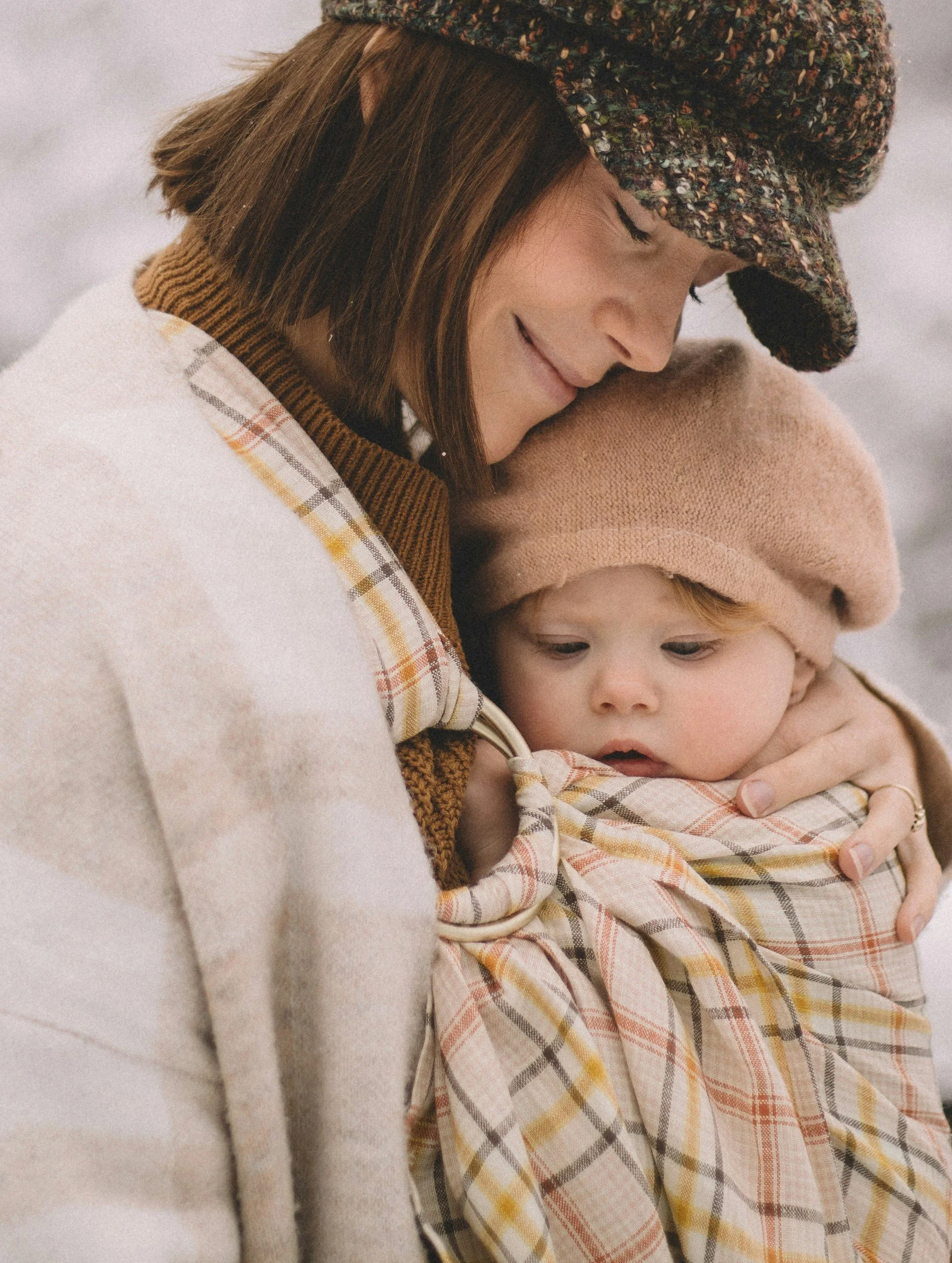
Wintering With Your Baby: A Season of Rest, Not Perfection
The holiday season and the turn of a new year can feel loud. Even when everything looks cozy on the outside, there’s often an unspoken expectation to do more, feel more, make it magical.
If you’re postpartum, or parenting a baby or young child, it may feel like this season is asking you to perform. What if we considered this time of year as inviting you to winter instead — to slow your pace, lower the bar, and let presence matter more than perfection?
Let Go of the Perfect Holiday
Postpartum already asks so much of your body, your emotions, and your nervous system. Layering holiday expectations on top of that can push you toward depletion — even if everything looks “fine.”
Wintering means:
Choosing rest over obligation
Saying no without a full explanation
Letting traditions evolve (or pause)
Releasing the idea that this season has to look a certain way
Your baby doesn’t need elaborate plans or constant stimulation. They need you regulated, rested, and emotionally available — even in small, ordinary moments.
And you deserve that same care.
Presence Grows When the Environment Supports You
It’s hard to be fully present when your nervous system is on high alert all day. This is where babyproofing quietly supports wintering.
When your home has a few intentional safety adjustments in place, you’re not constantly scanning for danger or interrupting yourself to say “no” every five seconds. You can sit on the floor. Sip something warm. Breathe while your baby explores.
Safety adjustments aren’t about fear. They’re about creating a home that holds you — physically and emotionally. A safer space allows for slower days. Fewer interruptions. More trust in the moment.
Postpartum Self-Care That Fits a Slower Season
Winter self-care isn’t just bubble baths and elaborate routines. It’s quieter than that — and far more realistic.
Gentle postpartum winter care might look like:
Protecting sleep whenever possible (even if the house is messy)
Eating warm, nourishing food that feels grounding
Spending time in low light and low noise
Letting go of “productive” days in favor of steady ones
Rest is not laziness. Rest is repair. Rest is regulation. When you honor that, you’re modeling something powerful for your family: that self-care doesn’t have to be earned.
Safety Helps Families Feel Valued
Feeling safe isn’t just physical — it’s emotional.
When a home feels predictable, calm, and supportive, everyone settles a little more easily. Babies explore with confidence. Parents move through the day with less vigilance. Connection has room to breathe.
Wintering supports that by:
Keeping routines simple
Honoring limits (yours included)
Valuing quiet togetherness over constant activity
You don’t have to entertain your baby to be present. Sitting nearby while they explore, narrating gently, or simply watching them discover the world is enough.
Carrying Winter’s Wisdom Into the New Year
As the calendar turns, there’s often pressure to reset, optimize, or reinvent. But winter reminds us that growth doesn’t always look active.
Sometimes growth looks like:
Protecting your energy
Strengthening foundations
Creating safety before expansion
Letting yourself be exactly where you are
There will be a season for forward motion. For now, this season is for holding. You are allowed to rest. Your baby is allowed to explore slowly. Your home can support both.
That is more than enough.

Caring Through Cold Season
Winter has arrived in all its glory: chilly mornings, cozy blankets… and sniffles of all varieties. When you’re caring for littles, sick season can feel impossible to navigate.
But here’s the good news: with a few gentle, baby-safe systems, you can make this season calmer and less stressful.
1. A Simple “Sick Season Station”
Think of this as your winter command center.
A small basket or tray (kept up high) stocked with essentials:
Hand sanitizer
Tissues
Saline drops
Bulb syringe or nasal aspirator
Thermometer
Quick-clean wipes
Safety note: Medications belong in a locked or high, latched cabinet. Fatigue makes even the most organized parent accidentally leave things out.
2. Humidifiers: Helpful Heroes
Humidifiers are a must in winter—they soothe dry air, ease congestion, and are a medication-free way to treat your sick kiddo.
But they do need a little babyproofing attention:
Place the humidifier 3 feet from the crib on a stable surface
Keep cords secured and out of reach
Empty + clean the tank daily (mold loves warm moist environments)
Wipe condensation promptly to avoid slippery floors
3. Hot Drink Hazards
Whether it’s cocoa, coffee, or cider, a hot drink is one of the best parts of winter.
Make your hot drink routine safer by:
Using travel mugs or mugs with lids
Keeping drinks away from edges and grabby hands
Setting a house rule: no hot drinks while holding the baby
Choosing a designated counter for “adult-only” drinks
4. Keep Toy + Surface Cleaning Easy
Winter means lots of indoor time… and lots of toys migrating into tiny mouths.
To make cleaning smoother:
Rotate toys so fewer are out at once
Keep an “easy-wash” toy basket
Toss soft toys in the dryer for 10–15 minutes
Use a small “needs a wash” bin to collect items throughout the day
5. Medication + ‘Sick Stuff’ Safety
Winter can scatter cold remedies everywhere if you’re not careful.
Prioritize safety by:
Storing all medications in a locked or high cabinet
Using a separate container for baby medications
Asking visitors to keep purses and bags with meds up high
6. Kind Boundaries for Visitors
People love to visit new babies. Germs… also love to visit new babies. You’re allowed to set boundaries that protect your family.
A few simple scripts:
“We’d love to see you! If you’re feeling under the weather at all, let’s plan for another day.”
“Come on in! Handwashing is our winter welcome ritual.”
“We’re keeping visits shorter this season so we can rest.”
A Final Word for the Season
You’re doing beautifully—even on the days when everything feels messy or slow. Sick season doesn’t have to be perfect to be manageable. A handful of thoughtful, realistic habits can make all the difference for your baby’s safety and your own well-being.
Here’s to a winter that feels gentler, safer, and supported—one small step at a time.

Keeping Little Ones Safe Around Seasonal Decor

The winter holidays fill our homes with light, color, and joy — and if you have a baby or toddler, they also fill your home with a lot of “ooooh, what’s that?” moments. Little ones are drawn to anything sparkly, glowing, or new, which means holiday decorating takes just a bit of strategy.
Whether your family celebrates Christmas, Hanukkah, Kwanzaa, Diwali, the Winter Solstice, or you simply adore twinkle-light season, here’s how to keep the magic alive while keeping your tiny explorer safe.
1. Christmas: Trees, Lights, and Those Tempting Ornaments
The Tree:
If your baby has recently discovered standing (or climbing… condolences), an anchored tree is essential. Use a sturdy stand and secure the tree to a wall with fishing line or a discreet hook so it doesn’t become the world’s most festive domino.
Ornaments:
Breakable ornaments, glass, and anything sharp goes up high or gets saved for when baby is older. Resin, wood, felt, or fabric decorations can be safe alternatives.
Lights:
Check for frayed wires, skip the vintage strands, and keep cords tucked or taped down. Everything goes in the mouth for littles, and that includes strands of lights.
Tree Water:
If you have a real tree, keep the water reservoir covered or blocked. Babies can drown in as little as an inch of water. Plus, tree water gets funky fast — not something you want consumed or splashed.
2. Hanukkah: Candles, Menorahs, and Gelt Galore
Menorah Placement:
Place your menorah on a high, sturdy surface away from little hands. If you prefer to light real candles, stay nearby and never leave them unattended. An LED menorah is a great alternative for extra glow during busy evenings.
Gelt:
Chocolate coins are delightful treats… and also perfect choking size. Keep them out of reach until it’s time to enjoy them together.
Dreidels:
Super fun for older kids, but small enough to be a hazard for babies. Store them up high when not in use.
3. Kwanzaa: Kinara, Decorations, and Joyful Gatherings
The Kinara:
Just like with a menorah, place candle holders on a stable surface that’s out of reach. If you prefer real candles, stay close while they’re lit. LED alternatives can offer a safer option during busy family moments.
Decor and Unity Cups:
Many Kwanzaa displays include wooden or ceramic items — beautiful, symbolic… and often irresistible to toddlers who love unauthorized “reorganization.” Use museum putty to keep items in place and avoid shattered symbolism.
4. General Winter Holiday Safety
Small Objects:
Mini ornaments, dreidels, beads, bells, and decorative nuts can all pose choking risks. If it can fit through a toilet paper tube, keep it up high.
Plants:
Poinsettias aren’t as toxic as legend claims, but they still cause stomach upset if eaten. Mistletoe and holly berries are more concerning. Keep all holiday plants out of reach or go faux.
Candles Everywhere:
Battery-operated candles are your best friend, especially when parties get lively. Save the real flames for calm, supervised moments.
Wrapping Supplies:
Ribbons, bows, and those plastic “gift dome” packages can be dangerous if chewed or wrapped around little limbs. Clean up those items quickly after gift opening.
Tabletop Decor:
Weighted tablecloth clips can keep enthusiastic climbers from pulling down an entire tablescape to get a better look at Nana’s pretty centerpieces.
5. When Hosting Guests
Kindly remind visitors to keep handbags, medications, and small items out of reach. Create a designated “safe zone” surface where everyone can put their things as they come in.
6. Celebrate With Confidence
The holidays are meant to feel cozy, joyful, and full of connection. With a little planning, you can enjoy the beauty of the season while keeping your baby or toddler safe and blissfully fascinated in all the right ways.
You deserve a holiday that feels good, looks gorgeous, and lets everyone breathe a little easier — especially you.
Want help making your whole house safer for little explorers this season? I’m always here to help make that magic feel stress-free.

Holiday Travel Tips

Holiday travel is coming — which means airports full of sparkly sweaters, highways packed with cookie-fueled road-trippers, and families everywhere gearing up to bring their tiniest members along for the ride. Whether you’re headed to Grandma’s, a rental cabin, or a hotel, traveling with a baby can feel like an adventure sprinkled with equal parts magic and chaos.
As a postpartum doula and babyproofing professional, I’ve seen the full spectrum of “first trip with baby” energy — from cool and collected to “I have packed the entire house because we might need the Instant Pot.” (For the record, I was DEFINITELY the latter when my kids were tiny.) Good news: You can absolutely do this. Even better news: your baby won’t remember any of your travel chaos, but you will remember those gorgeous moments of snuggles and adventure.
Here are a few tricks to make holiday travel with your little one as peaceful, safe, and enjoyable as possible.
Part 1: Postpartum Doula Travel Hacks
1. Pack Like a Pro
You don’t need to bring your entire setup on the road. You do need:
A change of clothes for baby and for you (holiday blowouts have no respect for festive outfits)
A small, organized diaper kit that can move between bags and is easily accessible during long car rides.
Ziplock or wet bags (your tiny travel miracle workers)
2. Feedings on the Go
Whether you’re nursing, pumping, formula feeding, or doing a mix, it can work!
Nursing: A muslin blanket works great as a nursing cover, emergency burp cloth, and car seat cover. Many U.S. airports now offer private lactation/nursing rooms (sometimes called pods), which can make feeding with privacy far more comfortable than a cramped airplane bathroom.
Formula: Pre-measure portions into travel containers; add water on demand. Don’t worry too much about heating the bottle - most babies are fine with room-temperature.
Pumping:
Yes — you can travel with a breast pump and breast milk. Transportation Security Administration (TSA) considers breast milk and pumping gear medically necessary, and they’re exempt from the usual 3.4 oz liquid rule.
That means you can bring any amount of expressed milk (fresh, frozen, or thawed), plus pump parts, ice or gel packs, and a cooler bag, without worrying about the standard liquid limits.
At security, just declare that you have breast milk / pumping supplies. TSA may screen them separately (X-ray or swab/visual check), and if you prefer, you can request alternative screening instead of X-ray.
3. Honor the rhythm, but keep it relaxed.
The season is about presence, not perfection. You can keep the general outline of your baby’s schedule without being quite as strict as you normally would.
Keep some consistency with wake windows.
Use familiar sleep cues (same PJs, same lullaby).
A portable blackout curtain is basically a holiday miracle.
4. You Get to Have Needs Too
Holiday travel can be a lot, and you deserve just as much care and compassion as your little one. Take advantage of family and friends who are itching to love on your baby and enjoy an uninterrupted meal, take a nap, and engage in adult conversation. It’s your holiday, too!
Part 2: Babyproofing on the Road
New places are full of new hazards, but you can still keep things safe.
1. Do a 90-Second Sweep When You Arrive
Before you let baby loose:
Look for loose cords
Move breakables
Secure wobbly or tip-prone furniture
Move decorations, plants, or precarious holiday décor temporarily.
2. Bathroom + Kitchen = Hot Zones
Cleaning products and medications are especially tricky in houses that are not set up for little ones. Pay special attention to these areas.
Put all products up high
Keep bathroom doors closed
In hotels, unplug hot appliances like coffee makers
3. Build a Mini Travel Safety Kit
Skip outlet covers — since many are now considered choking hazards.
Painter’s tape makes a great alternative and can be used for a variety of safety jobs (magical, removable, endlessly useful)
A foldable play yard is perfect for a defined safe zone
4. Sleep Safety Still Matters
Whether it’s a hotel crib or a pack-and-play:
Firm mattress
Fitted sheet
No blankets, pillows, or stuffed animals
Place it away from windows, cords, and heavy decorations
Try to set it up before baby gets overtired — no one wants to troubleshoot a travel crib while wearing your holiday best and holding an overstimulated baby.
Final Thoughts: You’ve Got This
Holiday travel with a baby is brave, beautiful, and often chaotic. But it’s also full of memory-making moments — sleepy snuggles, wide-eyed wonder, and family welcoming your little one with open arms. Happy holidays, indeed.

Can AI Babyproof Your Home? The Surprising Answer
If you’re a parent in 2025, you’ve probably asked AI at least one baby-related question by now. (No judgment — we’ve all typed “when do babies start sleeping through the night?” at 2 a.m.) And honestly? AI can be incredibly helpful when you’re knee-deep in nap schedules, bottles, and the Great Toy Explosion happening in your living room.
So when it comes to babyproofing, yes — AI can absolutely play a role. But before we hand over the safety of our homes to an algorithm, it’s important to understand what AI can do… and where it really can’t compete with a trained human eye.
Let’s break it down.
Where AI totally delivers
AI is great for quick questions — the kind you want answered while you’re staring suspiciously at your staircase wondering if you need a gate at both the top and the bottom.
Here’s where AI shines:
Giving you a starter checklist so you don’t forget the obvious stuff
Explaining the difference between safety products (pressure-mounted vs. hardware-mounted gates, cabinet locks, furniture anchors — all the fun things)
Offering age-based guidance depending on whether your baby is rolling, crawling, cruising, or full-on sprinting
Helping you think of hazards you might not have considered
Providing reminders to update your safety setup as your child grows
AI is like having a knowledgeable friend who’s always awake, never judges your messy floors, and can answer “is this normal?” without blinking.
But…
AI won’t see what’s actually happening in your home
The downside? AI only knows what you tell it. It can’t walk through your house and notice:
That your bookshelf wiggles more than it should
The sneaky outlet behind the couch
The way your stair railing creates a perfect ladder for a determined toddler
That your kitchen layout funnels toddlers straight toward the oven
How your baby’s unique personality affects risk (hello, climbers)
Homes — especially older homes or quirky layouts — are full of little surprises. And AI can’t see any of them.
And then there’s the toddler factor…
AI doesn’t know your child.
It doesn’t know that your 10-month-old has recently learned to scale anything taller than 4 inches… or that your 2-year-old opens cabinets with the determination of a safecracker.
A trained babyproofing professional, though? They’ve seen every kind of baby behavior and know exactly what to anticipate.
Why human babyproofers are still the MVPs
A professional babyproofer brings something AI cannot replicate: hands-on experience in real homes with real families.
When a pro walks into your house, they’re not guessing. They:
Assess your layout room by room
Spot hazards you’d never notice
Recommend products that actually work (and warn you about the ones that don’t)
Customize solutions to your home, your child, and your lifestyle
Make sure everything is installed correctly and safely
It’s the difference between reading a recipe and having a chef cook dinner for you.
Both are helpful. One is reliable.
The magic is in using both
Think of AI as your brainstorming buddy — great for quick info and early planning.
Think of a professional babyproofer as your safety partner — someone who brings skill, precision, and real-world know-how into your home.
Together? They make babyproofing smarter, easier, and way less overwhelming.
Your child deserves both the convenience of technology and the thoroughness of a human expert.
Ready to Babyproof with Confidence? Let’s Talk.
AI can give you a great head start, but when you’re ready for real peace of mind, nothing replaces an expert walking through your home, spotting hidden risks, and creating a safety plan that fits your space and your family.
If you’d love a customized, hands-on assessment — or even if you’re just not sure where to start — I’m here to help.
A Pleasant Beginning offers professional babyproofing services designed to take the stress off your plate and make your home safer for the little explorer you love most.

Why Hire a Professional to Babyproof Your Home?
Whether you’re a first-time parent or preparing your home for your next little explorer, hiring an expert helps ensure your home is safe, efficient, and designed for peace of mind.
Many families start with a do-it-yourself approach to babyproofing, and that’s a wonderful beginning. But bringing in a professional babyproofer can take your home’s safety to the next level — saving you time, stress, and guesswork along the way. At A Pleasant Beginning, we believe babyproofing isn’t just about securing furniture or locking cabinets — it’s about creating a calm, nurturing environment where both you and your baby can thrive.
Here’s what sets a professional apart:
1. You’ll Save Time and Stress
Researching babyproofing products online can lead to endless scrolling and mixed reviews. What’s truly effective? What fits your home’s design?
A professional babyproofer has already done that research. They know which products are reliable, durable, and safe, and they install them correctly the first time.
Instead of spending your weekends figuring out how to mount a gate or strap a dresser, you can focus on what matters most — spending time with your baby.
2. You’ll Get Custom Solutions for Your Home
Every home layout is unique, and so are your family’s routines. A babyproofing professional evaluates your space in person, considering:
Your home’s structure (stairs, open layouts, built-ins, etc.)
Your child’s age and developmental stage
Your daily habits and furniture placement
Future needs as your baby becomes more mobile
That means you’ll get personalized recommendations instead of one-size-fits-all advice — ensuring that your safety setup actually works for your lifestyle.
3. You’ll Have Peace of Mind
There’s no greater comfort than knowing your child is safe. When you work with a professional, you’re not just getting products — you’re getting expertise.
Professionals are trained in child safety standards and can ensure your home meets or exceeds current recommendations. They also stay up to date on product recalls and best practices, so you don’t have to.
That peace of mind allows you to relax a little more, confident that your child’s environment has been assessed by someone who does this every day.
4. You’ll Prevent Injuries Before They Happen
According to the U.S. Consumer Product Safety Commission, thousands of children are injured each year in preventable home accidents — from furniture tip-overs to falls and burns.
Babyproofing professionals focus on prevention. They don’t just fix what’s already unsafe; they anticipate risks before your child reaches that stage.
For example, a pro might suggest anchoring furniture before your baby starts pulling up, or securing cabinets well before crawling begins — helping you stay one step ahead of your little one’s growth.
5. You’ll Get Support for the Whole Family
Professional babyproofing isn’t just about hardware — it’s about education and empowerment. During your consultation, you’ll learn why each recommendation matters and how to maintain safety as your baby grows..
Because when you’re calm, informed, and supported, your baby feels that too.
6. You’ll Invest in Long-Term Peace
Babyproofing isn’t a one-time task — it’s an evolving process as your baby learns new skills. Working with a professional gives you a partner in safety — someone you can check in with as your family’s needs change.
Many families schedule follow-up visits or seasonal refreshes to adjust gates, furniture, or play areas as their child becomes more mobile. It’s one less thing to worry about in the whirlwind of early parenthood.
Ready to Make Your Home Safer?
If you’re feeling overwhelmed about where to start, you’re not alone — and you don’t have to do it all yourself.
At A Pleasant Beginning, we help Lowcountry families create safe, peaceful, and confident homes through personalized babyproofing consultations and installations. Whether you need a full-home assessment or targeted solutions for key rooms, we’re here to help.